Crested Gecko Bent Bones or Tremors: MBD (Metabolic Bone Disease) Causes and Calcium Care
Crested geckos are one of the most popular pet reptiles, which means there are also a lot of first-time keepers. When calcium or UV (UVB) is lacking, they're prone to Metabolic Bone Disease (MBD), a condition where the bones weaken. Catching it early lets you slow its progression with proper care, but left unaddressed it can lead to permanent deformity of the jaw or leg bones.
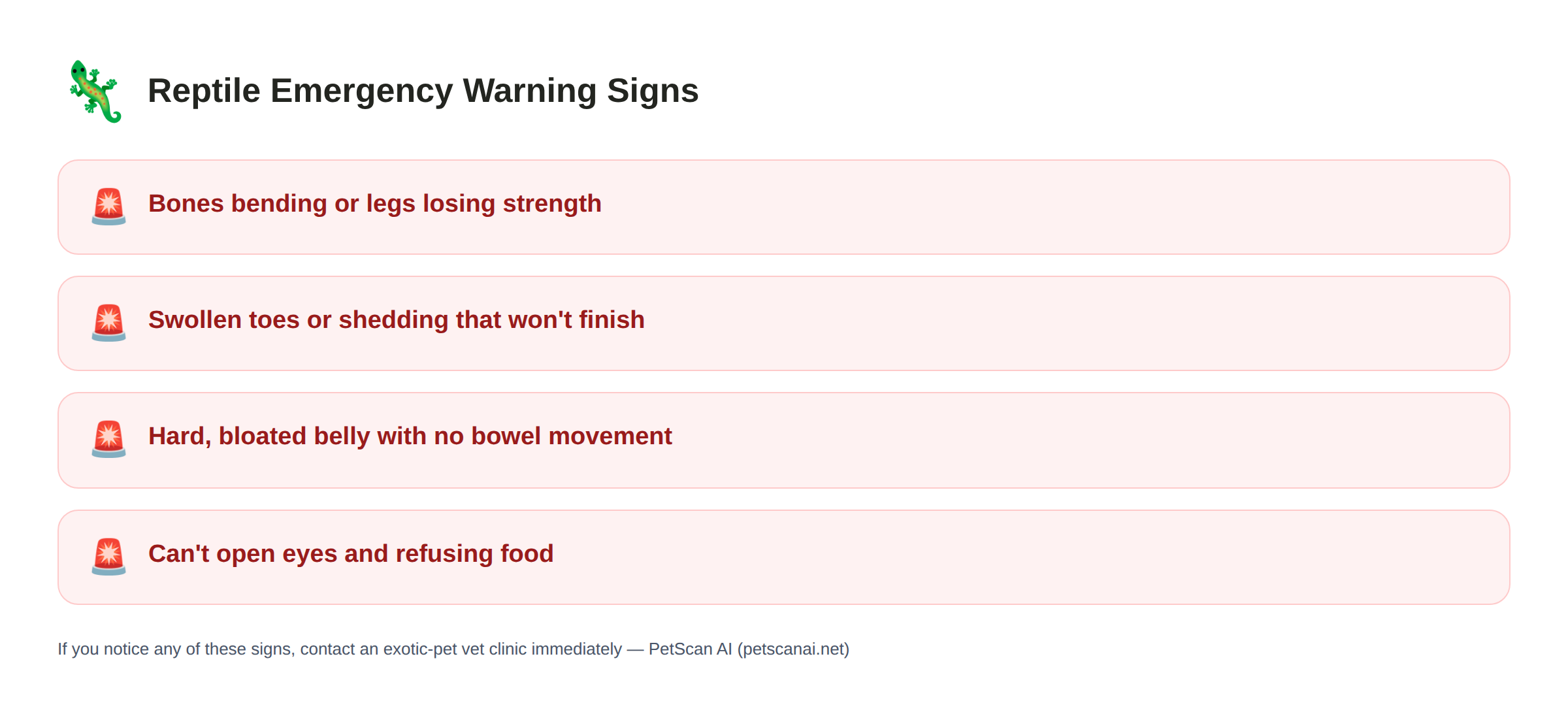
Why it happens
The biggest causes are an imbalanced calcium-to-phosphorus ratio and vitamin D3 deficiency. Vitamin D3 is synthesized in the body from UVB exposure, and since many geckos are kept indoors without UVB, deficiency is common. Growing juveniles and egg-laying females have especially high calcium requirements, making them more vulnerable.
What to check
- Lower jaw sagging or looking asymmetric
- Legs that look bowed, or that fracture from light impact
- Legs trembling or unable to bear weight while walking
- A bumpy feel along the spine when touched
- Overall sluggish movement and slow response to food
How to manage it at home
- Dust feeders with calcium powder: coat feeder insects (e.g. crickets) with calcium powder before feeding. It's best to alternate between powder with and without vitamin D3 on a set schedule.
- Consider low-level UVB exposure: strong UVB isn't strictly required for crested geckos, but a low, indirect level of UVB exposure can still help.
- Check commercial diet ingredients: if you're using a crested-gecko-specific diet, confirm the calcium content is listed on the label.
When to see a vet
If bone deformity is already visible, or the legs are too weak to walk properly, go to the vet right away. MBD doesn't resolve on its own and is progressive — calcium supplementation alone can't undo bone that has already deformed. A vet can help with calcium injections or a precise feeding plan.
🏥 Find a vet that treats exotic pets →
Frequently Asked Questions
My crested gecko's legs look weak — will just giving more calcium fix it?
If bone deformity is already visible, or the legs are too weak to walk properly, go to the vet right away. MBD doesn't resolve on its own and is progressive — calcium supplementation alone can't undo bone that has already deformed. A vet can help with calcium injections or a precise feeding plan.
How should I manage this day-to-day at home?
Dust feeder insects (like crickets) with calcium powder before feeding (alternating between powder with and without vitamin D3 on a set schedule), and a low, indirect level of UVB exposure can help too. If you're using a crested-gecko-specific diet, check that the calcium content is listed on the label.
Wondering how your pet is doing right now? Check in 3 seconds with a photo.
Free AI scan →Related guides
Leopard Gecko Dysecdysis (Poor Shedding): Causes and What to Do · Reptile Impaction: How to Check
← Back to scanner · Care Guides · About · FAQ
📄 Printable summary of this guide — Emergency checklist PDF

This guide is provided by PetScan AI (petscanai.net). Scan the QR code to check your pet with AI right away.